
There was a time when luxury interiors all seemed to follow the same formula.
White walls. Gray flooring. Glossy marble. Sharp lines. Chrome finishes. Minimal furniture placed perfectly inside spaces that looked visually impressive, but emotionally distant.
For years, that aesthetic defined modern luxury.
And for a while, people loved it.
The clean look felt sophisticated. The monochrome palette felt expensive. The polished surfaces reflected status and modernity. Homes began looking like architectural galleries sleek, controlled, and almost untouched by everyday life.
But something slowly changed.
People started living inside those spaces.
And many realized that while the interiors looked beautiful in photographs, they often didn’t feel beautiful to live in.
The spaces felt cold.
Not physically cold. Emotionally cold.
Today, luxury home design in 2026 is moving in a completely different direction. Modern interiors are becoming warmer, softer, quieter, and more emotionally connected. The idea of luxury itself is evolving from visual perfection to sensory comfort.
And nowhere is this shift more visible than in surfaces, textures, and tile design.
Scroll through luxury home inspiration from the early 2010s and one thing becomes obvious immediately, almost every home looked designed to impress.
Everything was highly polished.
Highly coordinated.
Highly controlled.
Homes became visual statements instead of personal spaces.
But modern homeowners, especially younger buyers in the USA and global urban markets, are beginning to reject that type of perfection-driven design.
People no longer want homes that feel like hotel lobbies with no personality.
They want homes that:
Luxury is becoming more personal now.
The focus has shifted from “How impressive does this space look?” to “How does this space make me feel after a long day?”
That single shift is transforming modern architecture and interior design completely.
Minimalism itself is not disappearing.
But cold minimalism is.
There’s an important difference between a space that feels minimal and a space that feels emotionally empty.
For years, ultra-cool palettes dominated interiors:
At first, these interiors looked futuristic and elegant.
But over time, many homeowners started noticing something unexpected, the spaces lacked emotional warmth.
Rooms looked clean but not comforting.
Beautiful but not inviting.
Perfect but not peaceful.
As people spent more time at home during the last few years, the emotional impact of interiors became impossible to ignore.
Homes stopped being places people simply returned to at night.
They became workplaces. Relaxation zones. Wellness spaces. Social environments. Emotional shelters.
And suddenly, colder design aesthetics no longer aligned with how people actually wanted to live.
Modern luxury homes in 2026 are no longer trying to look intimidatingly expensive.
Instead, they aim to feel effortless.
That is why today’s most desirable interiors focus heavily on:
The goal is no longer visual sharpness.
The goal is emotional softness.
This shift explains why modern luxury homes now feature:
These materials create interiors that feel visually calm instead of visually loud.
Luxury today feels quieter.
And far more human.
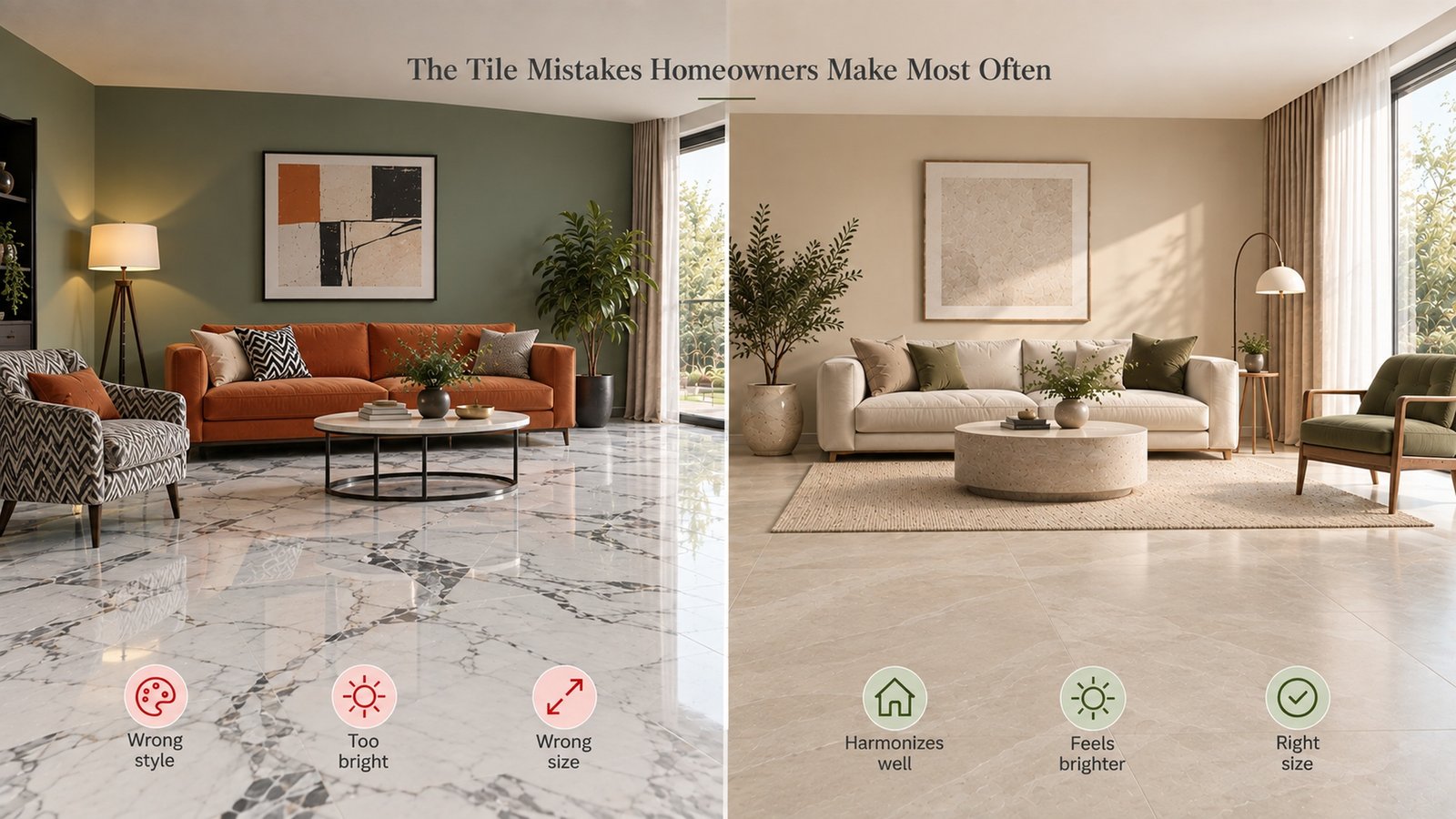
One of the biggest signs of this transformation is the decline of cool gray interiors.
For nearly a decade, gray dominated modern homes because it felt contemporary and sophisticated.
But in 2026, homeowners increasingly describe all-gray interiors as:
In response, warm neutrals are taking over luxury interiors globally.
Shades like:
are replacing colder tones because they create emotional warmth without sacrificing elegance.
These colors work beautifully with natural textures and soft lighting, making spaces feel:
This is especially important in open-concept homes where flooring and wall surfaces visually influence the emotional atmosphere of the entire space.
Another reason homes no longer feel cold is because design is becoming increasingly sensory.
For years, interiors focused almost entirely on visual aesthetics.
Now, people care about how spaces:
This is why tactile surfaces are becoming so important in luxury design.
Homeowners are moving away from overly glossy perfection and embracing finishes that feel softer and more natural:
These surfaces interact with light differently.
Instead of reflecting harsh brightness, they diffuse light softly, creating calmer environments.
The result is subtle but powerful.
A room immediately feels more relaxed.
One of the most influential changes in modern interiors is the rise of large-format porcelain tiles.
At first glance, it may seem like a purely aesthetic trend.
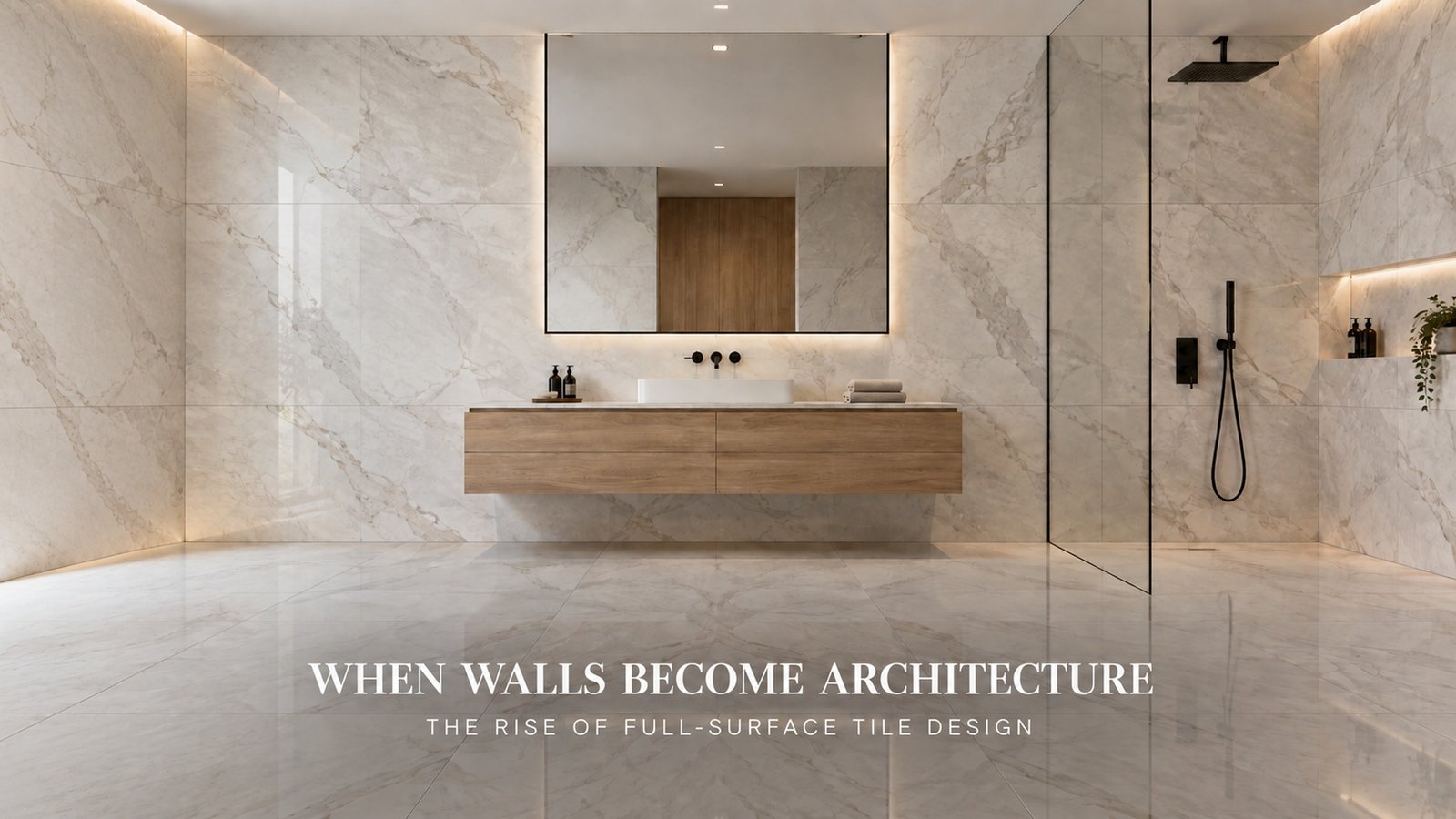
But psychologically, seamless surfaces have a huge impact on how spaces feel.
Large-format tiles reduce visual interruption by minimizing grout lines and unnecessary segmentation.
This creates:
Older interiors often divided spaces visually with multiple flooring styles, heavy patterns, and excessive detailing.
Modern luxury homes are simplifying those transitions.
The eye moves more smoothly through the space, which naturally makes interiors feel calmer and less chaotic.
That is one reason why large-format tiles have become synonymous with contemporary luxury architecture.
The rise of wellness-focused living is also changing how homes are designed.
People increasingly want interiors that support:
This movement has deeply influenced material choices.
Surfaces are becoming softer visually because people themselves are emotionally exhausted by overstimulation.
After years of constant digital exposure, loud visual environments, and fast-paced lifestyles, homeowners now crave spaces that feel restorative.
This explains why luxury interiors today often resemble:
Tile surfaces inspired by natural stone, earthy textures, and warm landscapes fit perfectly into this new design philosophy.
Interestingly, modern luxury homes are becoming simpler while simultaneously becoming richer in detail.
How?
Through texture.
Instead of filling homes with excessive decorative objects, designers now create visual depth through surfaces themselves.
A textured stone-look wall.
A matte travertine-inspired floor.
A softly ribbed porcelain surface.
A warm concrete finish.
These subtle details create sophistication without visual noise.
Luxury no longer depends on “more.”
It depends on refinement.
And tiles are playing a massive role in creating that refined atmosphere.
Social media heavily influenced the rise of hyper-perfect interiors.
Homes started being designed for photographs instead of daily living.
Bright white kitchens. Reflective marble floors. Sharp monochrome palettes. Dramatic contrasts.
These spaces looked incredible online.
But many lacked emotional warmth in real life.
Now, homeowners are pushing back against overly staged interiors.
People want authenticity again.
They want spaces that:
This is why earthy tile palettes, textured finishes, and quiet luxury aesthetics are becoming more desirable than flashy trends.
The most luxurious homes today often feel surprisingly understated.
The idea of luxury itself is changing culturally.
Old luxury focused on showing wealth visibly.
New luxury focuses on creating peace privately.
That’s a huge difference.
Today’s premium interiors prioritize:
Modern tiles reflect this evolution beautifully.
Warm matte porcelain surfaces, natural-inspired textures, and seamless architectural finishes now create homes that feel elevated without feeling cold.
Luxury has become less about impressing others and more about improving everyday living.
Perhaps the biggest reason modern luxury homes no longer feel cold is because design is becoming more human-centered again.
People are finally realizing that beautiful homes should not only look sophisticated.
They should support emotional well-being too.
The future of luxury interiors lies in spaces that:
And surfaces play a major role in shaping that emotional experience.
Tiles are no longer background materials.
They are atmosphere creators.
From warm neutral flooring and textured porcelain walls to seamless large-format surfaces, modern tile design is helping redefine what luxury truly means in 2026.
Not colder.
Not louder.
Just quieter, warmer, and far more meaningful.
Modern luxury homes no longer feel cold because people themselves have changed.
Today’s homeowners are searching for interiors that feel emotionally restorative rather than visually overwhelming. They want spaces that offer calmness, warmth, softness, and timeless sophistication.
As a result, interior design is moving away from sterile perfection and embracing more human-centered aesthetics.
Warm neutral palettes, textured surfaces, matte finishes, large-format tiles, and nature-inspired materials are shaping the future of luxury living because they make homes feel more personal and emotionally connected.
The modern luxury home is no longer about creating distance.
It is about creating comfort beautifully.
12-10-2026
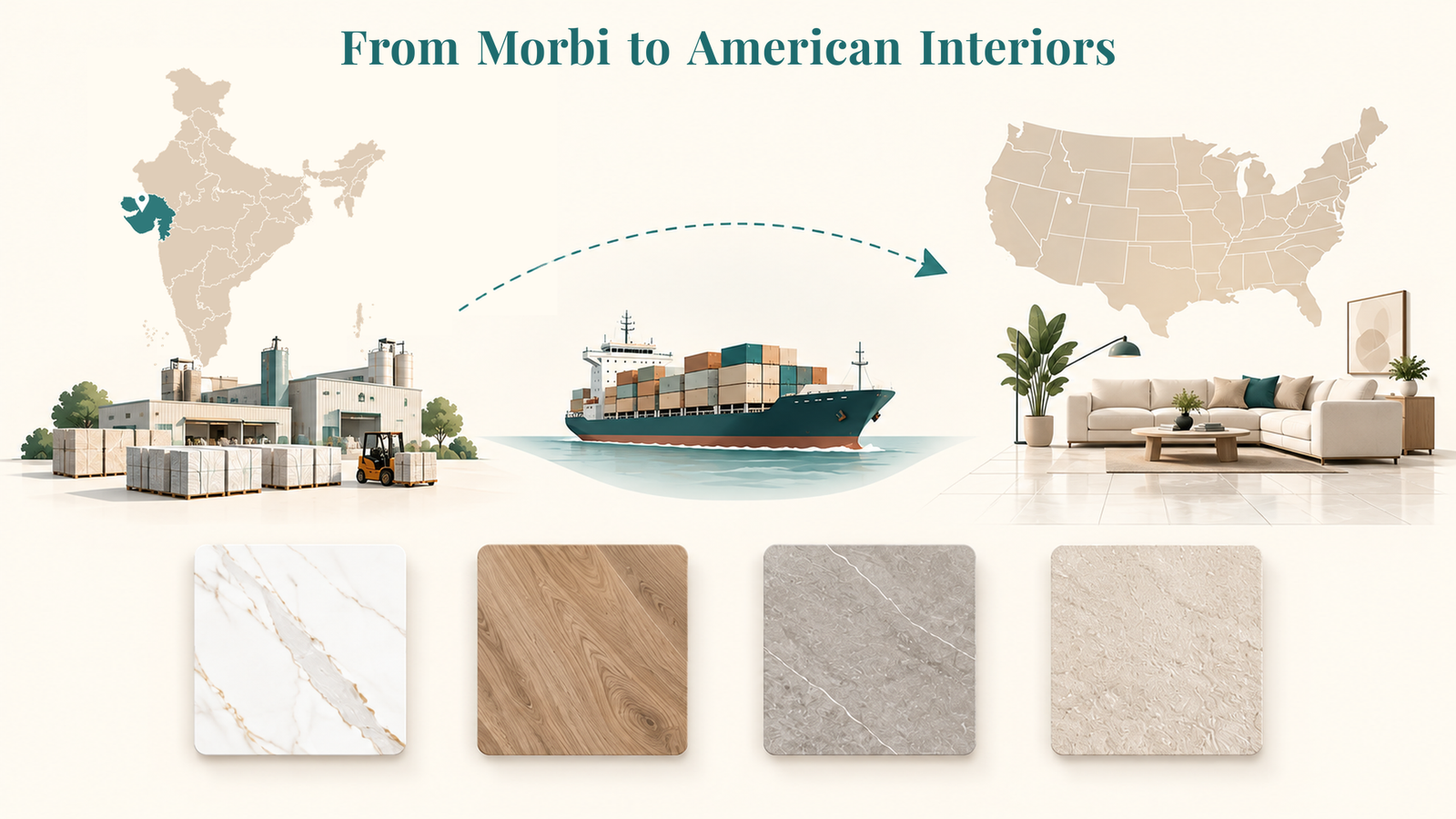
What started 25 years ago in Morbi, India’s ceramic hub, has grown into a trusted global brand. At Flavour Granito, we’ve built our legacy on creating tiles that blend artistry.
Quick Links
Available Sizes
Flavour Granito © . All rights reserved | Design and Managing By Roex Design